How to Start a Roofing Company From Scratch: Lessons From Two Partners' First Year

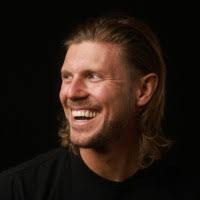
- The story: Chaz, a six-year Air Force air traffic controller, and David, who started building houses at 16 and knocking doors at about eight, left jobs working for someone else to build Cornerstone Roofing in Delaware as 50/50 partners.
- The hard part: Owning the company means you can't turn it off. The fires come from sales reps, customers, suppliers and crews, and the first hard conversation happens at home with your spouse.
- The takeaway: Build on integrity and like-minded people from day one, so the company never depends on the two founders sitting at the head of every single thing.
If you are wondering how to start a roofing company from scratch, the most useful advice rarely comes from people who did it 30 years ago. It comes from owners who are in the middle of it right now, still close enough to the leap to remember exactly what it cost.
On this episode of the Roofing CEO Podcast, host Mike Abramowitz sat down in person in Salt Lake City, right after a business bootcamp, with Chaz and David of Cornerstone Roofing in Delaware. As Mike framed it, this is not a company that has been running for 50 years. The business is just getting started.
Two Very Different Paths Into the Roofing Business
One of the first things new owners ask is whether you need roofing experience to start a roofing company. Chaz and David show that there is no single path, but both of them brought something specific to the table.
Chaz: From Air Traffic Control to Roofing Sales
Chaz grew up around construction. His father was big into it, and Chaz worked with him on roofs through his early teenage years and up until he was 18. Then he went into the military, served six years in the Air Force as an air traffic controller, and stopped thinking about roofing entirely.
That changed recently. In his words: "It wasn't until last year, early last year where it got brought back on my table and I went and worked sales for roofing for the first time. Turns out I was pretty good at it."
He is quick to credit the military for what it built in him. "I think it builds you, builds your character, builds everything you need, especially if you want to take on leadership responsibilities for the future."
David: Building Houses at 16, Knocking Doors at Eight
David's path ran the other way. He started building houses when he was 16, working as a labor hand for a man named Paul. When Paul asked what he wanted to get paid, 16-year-old David asked for $15 an hour. Paul laughed and offered $9, and David took it.
His door-to-door career started even earlier. "I actually started when I was about eight. I used to draw when I was a kid and I would, you know, go door to door in my apartment complex and sell my art." As he put it, "The only difference is now I'm having a conversation with an adult instead of a kid."
Later he worked door to door for Comcast for a few years, then moved into roofing with a company that, in his words, "was technically a maintenance company, but they did roofing because that was the high ticket item."
Chaz: "Me and him kind of joined up and absolutely blew everything out of the water over there and said, hey, I think we could do this on our own."
Running Someone Else's Company vs. Owning Your Own
David spent roughly 2019 to 2023 running that company for someone else. What he found was an arrangement he described as: "hey, we want you to come in, run our business for us, make us a ton of money while we sit at home and do nothing." It did not work.
So Mike asked the question at the heart of this episode: what is the difference between running someone else's company and running your own? Both partners answered, and differently.
David's Answer: You Can't Turn It Off
"Running somebody else's company, I go home, I can turn it off. It's not my problem. At the end of the day, if something goes wrong, it's still their problem even if I'm the one running it. Because it's not my name on the board."
Now that it is his, the standard changes. "So now that it is mine, I have to make sure that we do everything exactly how we want to do it."
Chaz's Answer: Your Vision, Your Standards
Chaz came at it from the side of ownership and meaning. "When I was working with another company and working for other companies, it was, I'm fighting for someone else's goal. I'm fighting for a vision that is somebody else's concoction."
Owning the company changes that. "There is so much more creativity that you can actually implant into the company." And it lets him build the business around the value he cares about most.
Chaz: "Our biggest goal is to change the industry and... roofing in general around us, making it so ours is the home base for this, to just have integrity first. Now that's a straight line from the Air Force core values, but integrity means a lot to me."
He also wants the company to work for more than the two owners. "I want to make sure that everybody involved is, it's a community. I want to make sure everyone is taken care of."
The Fires That Land on an Owner's Desk
Mike pushed David on the practical side. What are the three to five problems that show up after hours, the ones that make you feel, in Mike's words, like "a firefighter putting out these three to five fires"?
David's list was specific. "It could be anything from the salesperson individually that, you know, they just had this one person that they dealt with that was just problematic. In which case it's, you know, a lot of like little niche training... And then the other things is like coordinating with our suppliers as well as our crews."
Mike summed it up as sales reps and customer expectations, suppliers, and crew operations. Then he named the theme running through both partners' answers: "My theme that I'm hearing is responsibility. Like I have autonomy, I have responsibility, I get to build it, I get to create it, I get to react to it."
That list is a useful gut check for anyone planning to start a roofing company. When every one of those fires lands on the founder, the founder becomes the bottleneck. If that sounds familiar, our guide on how to stop being the bottleneck lays out a plan for pulling yourself out of the day-to-day, and an accountability chart is the first tool for deciding who owns which fire.
How a 50/50 Roofing Partnership Splits the Work
Chaz and David own Cornerstone 50/50. When Mike asked, both confirmed it.
What stands out is how naturally their backgrounds divide the load. Chaz found out quickly that he could sell roofing. David brings years of construction and door-to-door experience going back to his teens.
Chaz sees the partnership as real relief on the weight of ownership: "Me and David do it together, so that, you know, relieves the burden by 50%, we'll say."
If you are deciding whether to start a roofing company with a business partner, settle two things early: whether your skills complement each other, and whether you share the same core values. Both partners in this episode returned to integrity and like-minded people again and again.
The Hardest Conversation Happens at Home
When Mike asked Chaz about the challenges he did not have to worry about as an employee, Chaz agreed with the three problems David named. But his biggest one was balance.
"One of the biggest things for me is... the balance and... how much impact it has not just work life, but personal." He agreed with David that you can't turn it off. "We're putting our blood into this. Like this is everything we have goes into this."
That kind of change reaches the people around you. "So it's not only business fires you have to put out... there's also personal hard talks you have to do before committing to something like this."
For Chaz, married since 2019, the most important of those talks was with his wife. "God bless my wife. She's amazing. She is so supportive and I love her to death. But that was like one of the greatest sacrifices was like, hey, like, honey, we're starting a company. You've got to lock in with me. It's not just me."
Chaz: "If she can't get in your boat with you, you're sinking. She's the one that's operating the motor in the back if you're steering."
Chaz: "Look to your spouse. Look to the person that you have the greatest personal connection with in your personal life, because you're gonna have to have a talk."
This is the part most "how to start a roofing company" checklists skip. The operational to-do list gets all the attention. The conversation with the person who shares your life does not, and for Chaz it was the biggest thing to walk away with.
Start With the End in Mind: Building It the Right Way
Mike closed with a question every new owner should answer early. Fast forward 10 or 20 years. Are you trying to pass the company to your kids? Build something a team member can take over while you collect a check? Or build it for something else?
Chaz's answer went straight back to integrity. "It's definitely not something we're willing to pawn off ever. It's not something that we're just because you're my kid, you're getting it."
Even family has to earn it. "I'm not passing my baby off just to my kid. I have to make sure all those values align." And the path to the top starts in the same place it did for them: "Hey, we started at the bottom, so will you. If you can't make it there, you can't make it at the top."
The Owner-Operator Trap
Mike explained why he asks this question. His father is 85 and owns a plumbing business. "Runs it the same way, six days a week, every phone call goes to him."
The result is a business nobody can take over. Mike is the youngest of eight, and still, "no one could take over the business because he is the business. So he really never had a business. He just had a high-paying job." The family had great things because of it, but as Mike put it, "it would have been cool for him to show up for a little bit more basketball games."
Mike was clear he is not mad about it. For him, it comes down to intentions. "Our parents did sacrifice a lot to be able to show us what it looks like to run a business and provide and put food on the table. And we've also realized there's other ways to do the exact same thing."
Mike: "He is the business. So he really never had a business. He just had a high-paying job."
That is the core idea behind building a roofing company the right way from year one. If every phone call goes to you, you have built a job. If the company runs on its systems and people, you have built an asset you can hand down, hand off or one day sell. When you want to know what that asset is worth, Forge Strategic Equity offers a roofing company valuation.
Why Like-Minded People Beat Fast Growth
When Mike asked if there was anything they had not covered, Chaz came back to people.
"I think a big goal for us is it doesn't have to be David and I at the head of every single thing going in the future. I think a big goal for us is the acquisition of like-minded people."
"And that's not easy to come by. But when you find people that are like-minded and have the drive to... really pursue the vision that you have as a team with you, oh man, hold on. Hold on for dear life."
David agreed. "The like-mindedness is, it's huge." His final thought was simple: "Share the value, share the core values."
Growth comes from people who share the vision, and those people are how founders eventually step out of the center of every decision. Our guide on how to build a leadership team so you can step back walks through the next step once you find them.
Key Takeaways for Anyone Starting a Roofing Company
- There is no single path in. One partner came from the Air Force, the other from construction and door-to-door.
- Ownership means you can't turn it off. The fires from reps, customers, suppliers and crews are yours.
- Have the hard talk at home first. Your spouse has to get in the boat with you.
- Decide early what the company is for. Otherwise you build a high-paying job instead of a business.
- Hire for shared values. Like-minded people are how a young roofing company grows the right way.