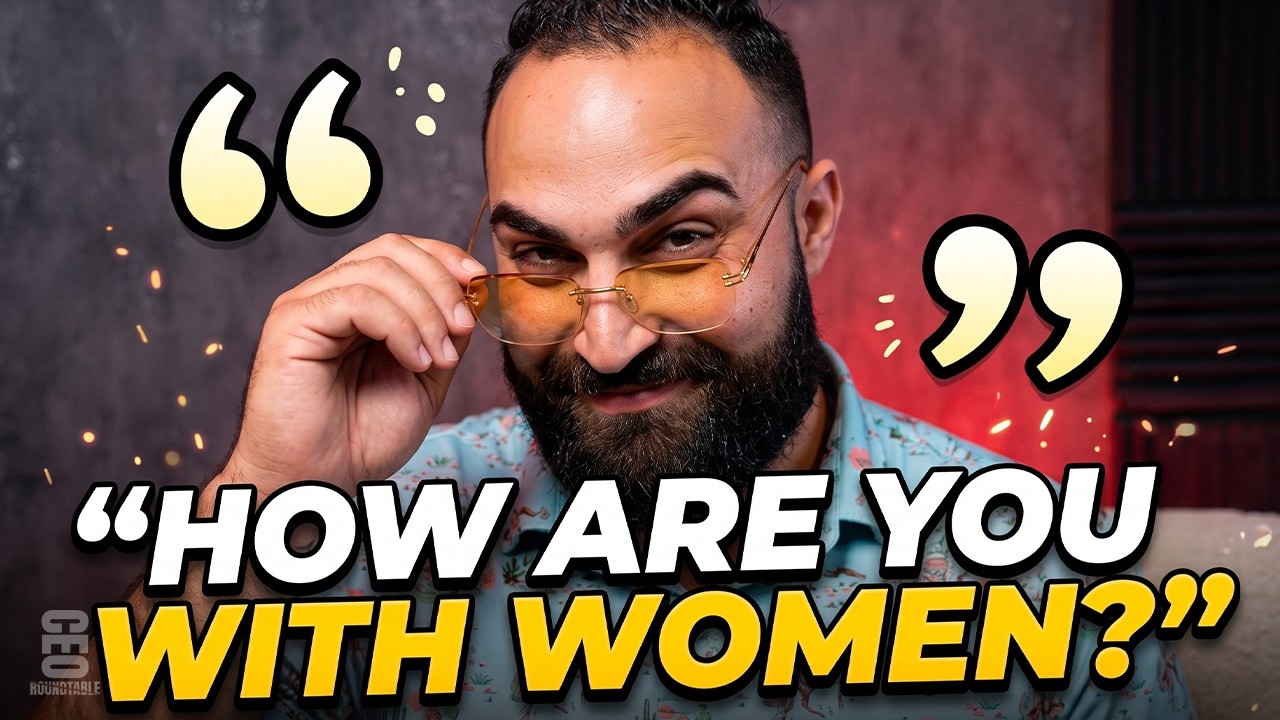
How to Hire and Train Roofing Sales Reps

- Four years, no playbook: Petey Freeman runs a six person roofing company and still has no copy and paste sales program.
- Hire for rejection: He screens recruits on how they handle being told no, not on sales experience.
- Train in the field: New reps watch a deal run from contract to adjustment before they sell alone.
Petey Freeman got into roofing because he was annoyed on a lunch break. He was working for a renovation company in 2018, did the math on what he was actually earning, and started swiping on Indeed. A roofing company messaged him that day, interviewed him the next, and hired him on the spot. On his first day in the field he sold a roof.
That start explains a lot about how he hires and trains today. On episode 5 of the Roofing CEO Podcast, host Mike Abramowitz asked him what changed when he stopped selling roofs and started running the company. The honest answer, four years in, is that the selling was the easy part.
Why Roofing Hires People With No Sales Experience
Petey had no degree, no sales background, and no construction experience when he applied. He typed "sales rep" into Indeed and got back cell phone carriers, roofing companies, and siding and windows outfits. The roofing company was the one in town, so that is the one he walked into.
The first day told him everything. He sold a roof before he understood what a roof paid. His boss told him the commission was probably eight to ten grand, and he forgot about the rest of his life. The number is what made it stick. The biggest check he had ever seen with his name on it was 1,500 dollars. His first roofing check was almost 8,000. He called his mother.
This matters for hiring because it is the same lever that still works on new reps. Petey is not recruiting people who already know how to sell. He is recruiting people who have never seen what a good month looks like, then showing them early enough that they believe it.
He did not expect roofing to become a career when he started. Looking back, he credits the sales skills he picked up with changing his life, and calls learning to sell one of the most important skills he has gained as an adult, the reason his bills are paid and his trucks are his own. That is the belief he is trying to transfer to the people he hires, not a technique so much as proof that the work pays.
How to Hire Roofing Sales Reps Who Can Handle Rejection
Petey has tried Indeed from the employer side and calls the results uneven. People tell him they are ready to follow him anywhere, then feel real rejection in the field and fold. The pattern he describes is not a sourcing problem. It is a screening problem.
So he changed what he probes for in interviews. Rather than asking about sales history, he reads how a candidate handles being turned down in ordinary life, on the theory that someone who takes rejection personally everywhere else will not last on a street.
His first hire was a friend, Tristan, on the same logic. He had watched Tristan hold up in conversations with strangers and figured a homeowner would be easier than that. The trait he actually screens for is not polish, it is caring enough to keep going.
He describes a rep named Jacob as someone you can hear caring when he talks to people, and his conclusion is that effort and care carry a rep far further than talent does. You do not have to be a selling guru to make it.
Why Managing Reps Is Harder Than Selling Roofs
Petey played college sports and was a team captain, so he assumed he knew how to lead a group. The business taught him the difference between a locker room and a payroll. Getting grown adults to do what they need to do turned out to be something he never expected to have to push for.
In sports, the consequence for skipping practice is not playing. In a roofing company, the consequence is a rep not paying his bills, and that turns out to be a weaker motivator than most owners expect. The second surprise was how much work training is. He says he undervalued his own sales managers until he had to become one, because teaching people well is hard.
That is a common sequence for owners who were top producers first. Selling is a skill you can carry alone. Managing is a system, and nobody hands it to you when you register the business.
What It Costs to Scale Without a Sales Program
Here is the part most owners will recognise. Petey's first employer gave him a sales manager and a defined sales program he had to follow. When he started his own company, he decided he did not need either. Four years later the company is six people, four of them salesmen plus a co-owner, and the operating method is still improvisation. He is candid that he is not running on numbers.
In practice that means attention follows enthusiasm. The reps who call him, ask questions, and want to go knock are the reps he invests in every day. The ones who go quiet get left to find him. It is an honest system and it keeps the lights on. It is also the thing he would change first, because he knows it would be a lot more organised if it were built properly.
He is clear about why running on emotion caps the company. Of his four salesmen, two are performing and two are not, and he concentrates on the two who want it. That is a reasonable use of a founder's time. It is not a way to add a fifth, tenth, or twentieth rep, because nothing in the business runs without him in it.
How to Train a New Rep From Cradle to Grave
The one piece of training Petey does run deliberately is worth copying, because it solves the belief problem before it solves the skill problem. When a new recruit starts, he takes them along on his own deals. The rep is not sent out to practice a pitch in isolation. They watch a real file move from signature to adjuster, from cradle to grave, so they see it play out in front of them.
Then he does the math out loud. He signs a contract, brings the rep to the adjustment, gets the approval, and breaks down what the job paid, in his example a roof at 8,500 dollars, with the reminder that the same thing could happen again the next day.
That is the moment he is recreating on purpose. It is the moment his first boss gave him, and he describes it the way people describe a first love: you do not forget your first roof. A new rep who has watched one deal pay out in full has a reason to knock through a bad afternoon. A new rep who has only been told the money is good does not.
He frames the next stage as handing that gift forward. Asked how many reps he hopes to reach, he compared it to his years in sports, where graduating players passed their gear down to the younger ones coming up, the way a senior once did for him.
He remembers how big that made him feel at the time. Getting to give his own salesmen the jolt he felt on his first sale is, in his telling, part of why the cradle to grave walk matters to him at all. It is not only training. It is how he passes the thing down.
How to Hire and Train Roofing Sales Reps
Run these steps in order:
- Screen for rejection. Ask how the candidate handles being told no in everyday life, and listen for whether they take it personally.
- Hire for care. Petey's test is whether you can hear a rep caring when they talk to people. Skill is teachable, interest is not.
- Show the money early. Bring a new rep to a real adjustment and break down what the job paid, so the number stops being abstract.
- Run one deal fully. Let them watch a file move from contract to approval before they carry their own.
- Write the program down. Turn whatever you repeat into a copy and paste sequence a second manager could run without you.
- Add one number. Replace "effort levels I see" with a single tracked metric, so attention goes where the data points.
Frequently Asked Questions
What should I ask when interviewing a roofing sales rep?
Ask how they handle rejection rather than what they have sold. Petey Freeman screens candidates on whether being turned down in ordinary situations bothers them, because reps who take no personally do not survive the field. He hired his first rep on exactly that read, and he says plainly that poor rejection tolerance will hurt in this job.
Do I need sales experience to sell roofing?
No. Petey had no degree, no sales background, and no construction experience when a roofing company hired him off an Indeed listing in 2018. He sold a roof on his first day in the field. What mattered was willingness to knock and tolerance for being told no, both of which an owner can screen for in an interview.
Why is managing reps harder than selling?
Selling is an individual skill, and managing is a system. Petey captained college teams and still found it hard to move grown adults who were not self starting. He also found training far more demanding than expected, which is why he says he undervalued his own sales managers until he had to replace them.
When should a roofing company build a sales program?
Before the second hire, not after the tenth. Petey's first employer had a defined program and a sales manager, and he decided he did not need either. Four years on, with six people, the absence of a copy and paste system is the thing he names first when asked what he would change.
Can I run a sales team on effort instead of KPIs?
You can run a small one. Petey manages four salesmen by watching who calls, asks questions, and wants to knock, and he admits it is not foolproof. The limit is that it requires his personal attention on every rep, so the method stops working at the exact point an owner wants to add headcount.
Conclusion
Petey Freeman's story is useful precisely because he has not solved it yet. He found roofing by accident, learned he could sell on day one, and built a company on energy and personal attention. Those things got him four years and six people. The next stage needs the boring asset he left behind at his first job, the one he now says he wants most:


