How Contractors Should Offer Financing: The Path of Affordability, Promo Traps and Cash Flow

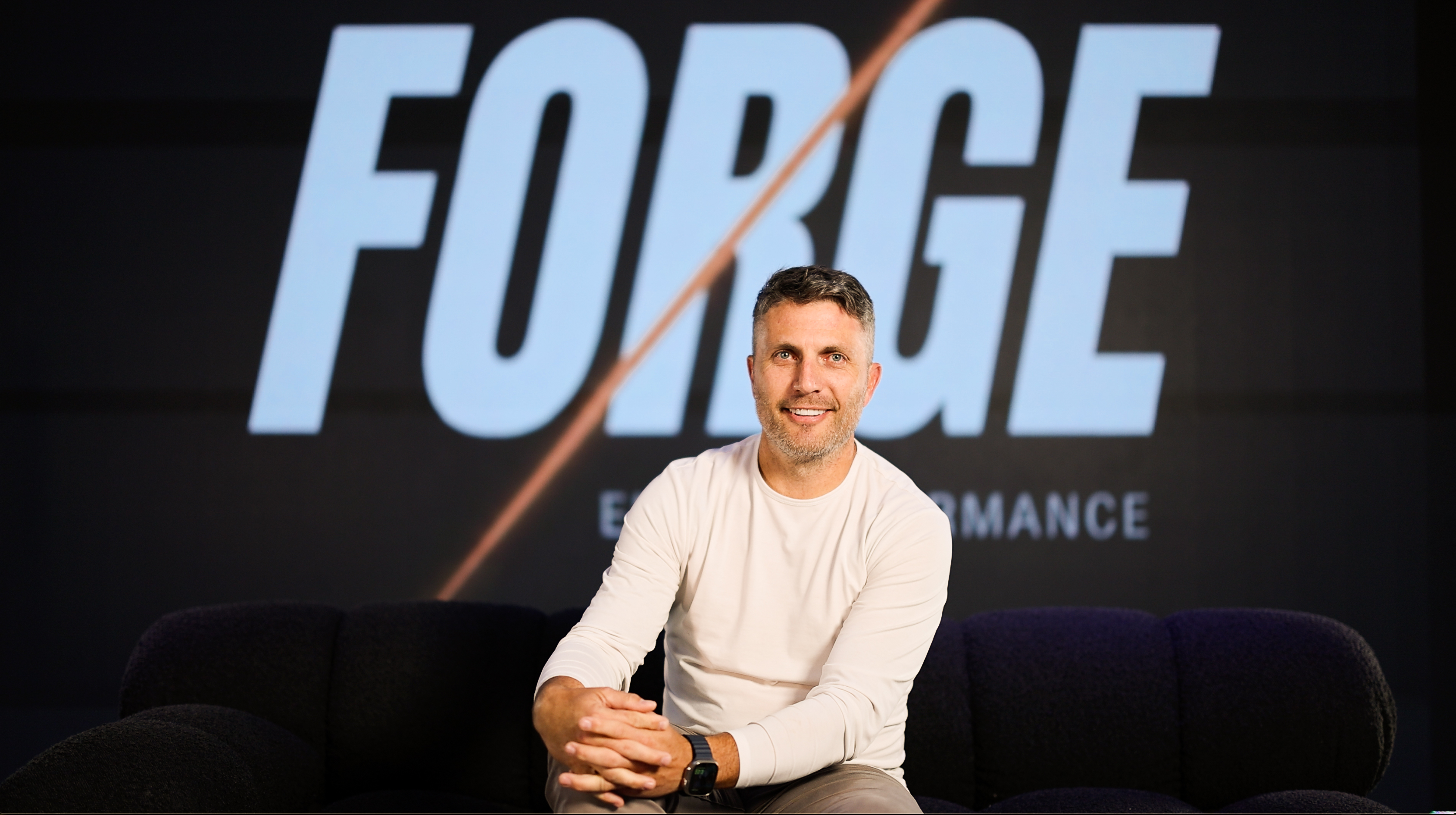
- The opportunity: On this D2D Podcast episode, the Time Investment team puts financed work at about 40% of the average contractor's business. If you never bring it up, the homeowner's ego keeps them from asking.
- The method: Open every sale with the "path of affordability" (cash, credit card or financing), anchor on a small monthly payment, and keep promotional "no interest, no payment" offers in your back pocket instead of leading with them.
- The owner payoff: Financing gets you funded when the job is done instead of chasing balances, and asking "price or approvals?" tells you whether you are building for growth.
Most home service owners think about financing as a product decision. Pick a lender, get a rate sheet, hand it to the reps. On this episode of the D2D Podcast, James Edwards sat down with Mike Hafeman, CEO of Time Investment, and Shawn Peterson, its director of business development. Listen closely and financing turns out to be an operations decision as much as a product one. It touches your close rate, your cost per sale, your cash flow and how your reps sell.
Time Investment is not new to this. Mike started the company with his father in 1982 in the basement of his parents' house, with $100,000 and his parents' house put up as collateral. Forty-four years and several business cycles later, the lessons they shared apply to any contractor who wants to scale.
Why Contractor Financing Is a Growth Lever, Not a Side Option
The episode opens with a number that should make any owner stop.
"The average contractor that's using financing, 40%... 40% is finance business. So if someone's not using financing, look at how much they're losing."
The follow-up point is the one that matters for owners: "So they're looking at scaling and growing. That's really hard to do with cash."
Mike later said it plainly from his own seat: "If I was starting up a contractor, I would immediately do financing." He also named the three reasons owners avoid it: "either they're scared of it, or because they've never used it before, or they have no interest in really growing."
The Homeowner Has an Ego (So They Will Never Ask)
The biggest insight in the conversation is psychological. According to Mike, the confusion today is about how to offer financing, and what contractors miss "is that the consumer has an ego."
Mike Hafeman: "They do have an ego. So if you're not offering financing, they're not going to just raise their hand, 'Hey, do you have any finance?'"
Mike Hafeman: "They get embarrassed. They don't want to... tell you that I don't have... $15,000 to pay for this."
James finished the thought from the rep's side of the table: "They'd rather say, 'No, not right now. Not interested. Come back.'"
That is a lost sale that never shows up as a financing problem in your numbers. It shows up as a stalled appointment or a weak close rate. The fix is to make the payment conversation part of the process, not something the homeowner has to request.
Mike pointed to the auto industry as the model. If you have it "built into your process, that in your sales presentation you're constantly bringing up this small monthly payment," the customer starts to think in monthly terms. In his words, they start thinking, "Oh, 150 bucks, that's not bad."
Open With the Path of Affordability
So when should it come up? Mike's answer: "They should automatically ask financing from the very beginning." Shawn gave the exact opener his team teaches.
Shawn Peterson: "You always sit down and you say, open up with the customer, 'What's your path of affordability?'"
Shawn Peterson: "Is it credit card? Is it cash? Is it financing?... Cash is king. Credit cards have their spot. Financing has their spot."
James called it "a masterclass in framing." Once the rep has put all three options on the table, financing is no longer awkward. As James put it, "they're not scared to bring it up because you already brought it up."
Shawn's second question narrows it down: "Where do you see that monthly payment fitting for you?" Then he offers ranges: "Is it 50 to 100? 100 to 150? 150 to 2?"
That sets the stage for the presentation. And if the homeowner says they do not want to pay interest, you still have an answer. In Shawn's words: "Now you go in the back pocket, bring out the same as cash, and life is simple. You're not giving away the farm."
For owners, the takeaway is to write these two questions into your sales process so every rep runs them the same way. If your process lives in each rep's head, start with our guide to a coachable, consistent home service sales process.
The Promotional Financing Trap
Here is where many contractors quietly lose margin. Mike explained that reps "think they're giving them a great deal by giving them a promotional product." So the pitch becomes "12 months, no interest, no payment," then 18, then 24, then 36.
Because of that same ego, the homeowner will not turn it down. But Mike warned that "they're setting them up for failure because most of those people can't pay it off in 24 months." A lot can change in two years: "They take on more debt, they lose a job, something happens, and now they're under pressure."
Mike Hafeman: "It used to be like 10% was promotional, now it's like 30, 40%."
Mike, quoting Dave Yoho: "If your sales are 15% or more promotional, you got a sales training problem."
His advice is not to ban promotional products. It is to stop leading with them: "There's going to be customers that are going to ask for that, but don't lead with it." Instead, "your focus should be on developing a small monthly payment."
Two benefits follow. It is "less pressure on your salespeople," and it protects profit. As Mike put it, the goal is helping dealers "understand you don't need to pay all these discounts when you could have sold it on a monthly payment."
The Lead Math Behind Financing
Mike tied financing directly to the cost of acquiring a customer. "If the contractor really doesn't understand the cost of a lead, that's a problem because you should be tracking that."
Mike Hafeman: "In home improvement, average leads probably around six or 700 bucks. I'm not talking lead per sale. I'm talking actual lead."
Mike Hafeman: "So you better have some closers that know how to close a sale."
He pointed to "hitting that 30, 30, 40% close rate," because missing it "comes back and bites you heavily." His example: your cost per lead "goes from whatever, uh, 1600 to 2400." That is where financing earns its place. In Mike's words, "it brings in that extra closing piece. It brings all the tools together to help your sales rep understand how to present the product and how to close it properly."
If you do not know your cost per lead and cost per sale today, that is the first number to put on your weekly home service scorecard. It also feeds directly into the unit economics of scaling a home service business.
Long Terms, Low Payments and the 36-Month Reality
Long terms can sound scary. Shawn explained that Time Investment offers "a 240-month term that drives that low monthly payment." Mike added context that changes the picture.
Mike Hafeman: "People get scared sometimes about 15 to 20-year loans."
Mike Hafeman: "That weighted average life on those is about 35 months... because it's, it's such a low monthly payment... It's a convenience."
Shawn noted there is "no prepayment penalty," and that they tell customers to "make double payments, make triple payments, pay it off." He calls financing "a luxury." For the rep, that means a lower monthly number to present. For the homeowner, it means flexibility.
Mike also made the case that affordability is what customers are really shopping for: "there's a big difference between a $250 payment and $150."
Financing and Cash Flow: Stop Chasing Balances
For owners, this was the most practical part of the episode. On a cash job, the guests described the usual pattern: "typically the customer puts down a deposit, they get the project done, and then they're chasing to get the money from the consumer." With Time Investment, as they described it, the deal is funded as soon as the contract is done.
Mike Hafeman: "Cash, cash is king."
Mike Hafeman: "So the faster you can get the cash, the more you can turn it and the more you can invest back into your organization."
This is also why the guests kept coming back to numbers. James described meeting owners who, when asked "do you know what your EBITDA is?", answer "what's an EBITDA?" His view: "This is where scalability is, is in the numbers." Mike said the same thing from the lender's seat. What he looks at is whether a contractor really knows their business and understands their numbers, "because if they're cash flowing, we know they're doing well."
Price or Approvals: The Question That Reveals Growth Intent
Mike closed with a question Time Investment asks contractors: "What's more important to you, price or approvals?"
Mike Hafeman: "A lot of times they'll focus on price... What's your lowest interest rates?"
Mike Hafeman: "Approvals, if a contractor understands it correctly, approval is the most important thing."
James summed it up: "Your funnel just opened." And then: "You get more approvals, you get more customers." For Mike, a contractor who answers approvals tells him "he's wanting to grow because he understands approvals is the most important thing."
Sell on Craftsmanship, Not on the Financing Promo
Financing is a tool, not your pitch. Mike warned that when cost per lead climbs and competitors fight for the same customer, some companies end up "trying to almost sell the product off of financing, where they should be selling it on the quality of their craftsmanship."
One of the homeowner's greatest fears, he said, is whether the contractor is credible: "Will they get the job done as they said it? Is it the quality work? Will it last?"
That ties to the red flag Shawn looks for on discovery calls. "If the trim is wrong or a shingle falls off, like, how do you take care of the customer? What's your plan? What's that journey?" His standard: "As long as you got a service plan for your customer, you take care of your customer, we'll win every day."
Mike explained why lenders care so much. "Once we buy that contract, with the holder rule, we're responsible for that contractor. So if the customer is not being serviced, if there's problems with warranties, they'll stop paying us until it's taken care of." And reputation travels: "This is a small world and a small industry. Word travels really rapidly."
When Should a Smaller Contractor Add Financing?
James asked whether small companies should wait. Shawn's answer was direct: "Now is the time."
Shawn Peterson: "At $1 million you have this headache, at $3 million you have this headache, at five you have this and 10 you have that. Tackle it now."
Shawn Peterson: "As you grow, it'll help you grow faster and get you to where you want to go."
Putting It to Work in Your Business
Here is how to turn this episode into a system, not just a good conversation:
- Script the opener. Every rep asks the path of affordability question (cash, credit card or financing) before presenting.
- Anchor monthly. Train reps to present a small monthly payment throughout the sit-down, and to ask where that payment fits for the homeowner.
- Track promo share. Measure the percentage of financed deals that go promotional and coach anything at or above 15%.
- Know your lead math. Put cost per lead, close rate and cost per sale on your weekly scorecard.
- Fund faster. Compare the days you wait to collect on cash jobs with funding at contract completion.
- Ask yourself price or approvals. If you are optimizing for the lowest rate, check whether you are shrinking your funnel.
- Protect the customer journey. Have a written service plan for when "the trim is wrong or a shingle falls off."
If you are a roofing owner thinking about what all of this does to the value of your company, Forge Strategic Equity can help you see what your roofing company is worth. And if you want the operating system that ties your numbers, sales process and cash flow together, explore OwnersOS.