Financial Controls for Contractors: How to Run Your Company as One Machine

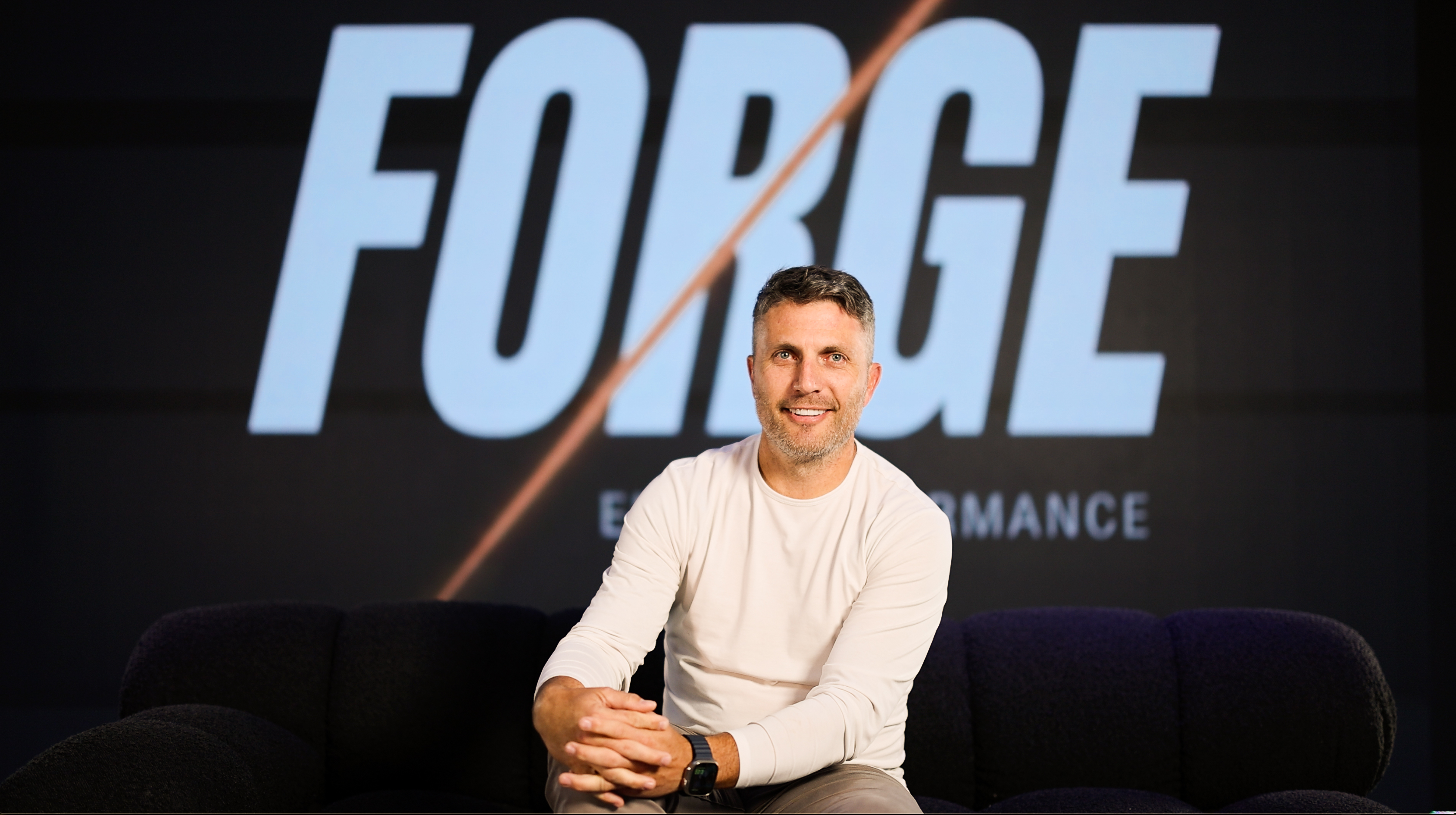
- The missing system: Breakthrough Academy co-founder Danny Kerr says the system contractors miss most is what his team calls financial controls: knowing your sales, production and financial metrics, and tracking goal versus actual.
- The real problem: Most companies build their financials, job descriptions, recruiting and training separately. Danny's fix is to link them so the company "runs as one machine."
- The owner shift: Once a company grows past the owner-operator stage, the owner has to stop being the best doer and become a leader of people and a developer of process.
Most contractors can tell you last month's revenue. Far fewer can tell you what that revenue was supposed to be, what it will take in labor to deliver the work they just sold, or when the cash will actually land. That gap is where growing companies get into trouble.
On an episode of The D2D Podcast, host Hunter Lee sat down with Danny Kerr, co-founder and CRO of Breakthrough Academy (BTA), a coaching company for contractors. Danny started running a student painting franchise at 18, spent years training franchisees, and went on to coach contractor owners across North America. The conversation came back again and again to one idea: the businesses that scale are the ones whose numbers, roles, hiring and training are all connected.
Here is what Danny shared, and how a home service owner can put it to work.
From an 18-Year-Old Painter to Coaching Contractors
Danny's path into business started with a student franchise program called College Pro Painters. He described how it worked: "They teach you sales, marketing, door-to-door strategies, actually. They teach you, you know, hiring, firing, financial management, uh, leadership tactics, projections, strategic planning."
The learning was hands-on. As Danny put it, "you kind of get taught how to do something and then the next week you're out doing it." He spent two years as a franchisee, then three and a half to four years as a general manager hiring and training his own franchisees, and a couple of years as head of HR, where he "oversaw the recruitment and development of about 150 franchises a year and about a thousand painters."
That experience shaped what he believes about systems. When the company's CEO asked for spin-off ideas, Danny pitched the one thing he thought the organization was truly world-class at. It was not painting.
Danny Kerr: The systems are so dialed, you can take an 18-year-old kid and get him running a very successful painting company within six months. That's unique.
When he left, he set out to deliver franchise-level systems to independent owners. In his words: "I think with a slight shift, you could do all the things we were doing with our franchisees, but without the franchise." The goal was to give owners proven templates, metrics and peers without royalties or locked territories.
The System Most Contractors Miss: Financial Controls
Hunter asked Danny a direct question. If he had to narrow it down to one system that contractors are not using enough, what would it be?
Danny's answer: "We call it financial controls, but it's a bit more all-encompassing than that." He explained, "It's the idea of being hyper-aware of your metrics in sales, production, and financials. And not only just being aware of what they are, but knowing what the goal should be versus the actual."
Start with the sales math you already know
Door-to-door owners already think this way about sales. Danny walked through it: "You have to hit so many doors to get so many leads, to have so many quotes, to have so many jobs booked based on so many average jobs, based on your average job size, you can predict how much revenue you can produce."
The point is that the same thinking applies to the whole company. "You can do that with the entire company. And people don't," he said. Most owners have the tools, "their QuickBooks, maybe they have their project management software, CRM," but they "don't really have a goal to pit all elements of their business against for the production side, for the actual financial side, and trend out the business a year in advance and go goal versus actual on those metrics."
If you have not set up a weekly view of your core numbers yet, the scorecard every home service owner needs is a practical place to start.
Why you can't see the problem until it's too late
Danny compared running without goal-versus-actual numbers to driving a vehicle "full on like over-revving it, you can't tell that you're about to overheat until it's too late."
He gave two examples that home service owners will recognize:
- Production: "If you're busy, you know, booking work and you haven't hired enough labor to be able to produce, you're going to hit a production problem and you won't see it until it's too late."
- Cash flow: "I see a lot of people, roofing space specifically, they go and grow the business too quickly, but they don't look at the cash flow requirements to do that. And so revenue is high, but they don't get paid in time and they have all these backlogged costs and they run themselves out of business through growth in and of itself."
Danny Kerr: ...revenue is high, but they don't get paid in time and they have all these backlogged costs and they run themselves out of business through growth in and of itself.
Sales ratio, margin and pulling the right levers
One of the most useful examples in the episode was about close rate. A high close rate feels like a win, but Danny pointed out it can hide a pricing problem: "Sales ratio is at 70%, everyone's happy, company's not making any money. Interesting. Why don't we increase charge rate so that sales ratio drops to 55% and we can make a margin?"
That is the kind of decision you can only make when sales metrics and financial metrics sit side by side. Danny calls it pulling levers: "should the economy change, should new challenges arise, you have 72 levers you can pull of which you have complete control over as an entrepreneur versus being kind of like subject to reacting to what's coming your way."
For a deeper look at how volume, price and cost interact as you grow, see the unit economics of scaling a home service business.
Connect Every Part of the Business So It Runs as One Machine
In the episode, Danny previewed a workshop he was preparing for D2DCon Canada, aimed mainly at owners and managers. He described it as "a bit more business-oriented than just sales-oriented," focused on "how do we build an infrastructure to manage growth? Between the financial controls, organizational structure, job descriptions."
His core observation is that most owners build these pieces in isolation. "They'll run their financials and then they'll go get some help on recruiting and then they'll go and like, you know, use ChatGPT to build some job descriptions," he said. "And it's all fragmented though." The bigger the company gets, the more those gaps show.
Danny Kerr: I'm going to show everybody how to connect each element of the company so it runs as one machine.
The chain Danny laid out
Danny walked through the links in order. Here is the sequence as he described it:
- Key numbers to roles: "take say key numbers on a dashboard and build that actually into the organizational structure so everyone has a KPI, a goal."
- Roles to agreements: "build that into the employment agreement? So the whole employment agreement is actually based off of those KPIs."
- Agreements to hiring: use that agreement to "build an ideal candidate profile for so you know who youre recruiting for, what interview questions you're looking at."
- Hiring to selection: select people who can fulfill the role "based on personality preferences and not necessarily always on skill."
- Selection to training: "build a skill training program that completely matches where their skill deficiencies are based on the role."
- Everything to the plan: "take all of that and build that into a strategic plan."
The payoff, in his words, is finding "the links that are often missing as a business grows that aren't apparent at first, but over time are required to make this thing run with or without the owner."
If your company does not yet have clear seats and owners for each number, an accountability chart is the natural first link in that chain.
From Doer to Leader: Where Owners Get Stuck
Hunter raised a pattern he sees often in door-to-door: strong sales reps and team leaders assume that selling well means they can run a company, and some of them go out of business learning otherwise.
Danny agreed that the game changes as headcount grows. "If it's an owner-operator model, you can kind of go and do it yourself and you'll have some complexity," he said. "But the minute you get to five, three, 20 staff... The whole game changes."
Danny Kerr: I was a good doer of the thing. Now I have to be a good leader of the people and developer of the process.
He was blunt about what happens when owners skip that shift: "They're still trying to be the doer and still trying to grow the business and nothing is going well now. They've kind of trapped themselves."
If that sounds familiar, the 30-day plan in Stop Being the Bottleneck and the guide to building a leadership team so you can step back cover the next steps.
Same Principles, Different Process
Hunter asked whether Danny's systems are plug and play or customized. Danny said the details change by business type, grouping companies by average job size: custom homes, mid-size jobs like roofing and painting, and smaller one-call-close work like lawn care. "Each of those categories will have its own sales process, financial tracking process, things like that," he said.
But the structure underneath holds steady. "The content in each one of those elements is different and unique, but the context and the structure of them should and can be the same," Danny said. "It's outside of contracting. It's business. It's just that is how businesses should be run."
He also noted that his team works with the owner rather than the sales team. "We treat the owner as if they're a franchisee of ours," he explained, with coaches handling "strategic planning with them, quarterly reviews, number projections, initiatives." The owner then takes those systems to the core team.
What the Results Can Look Like
Danny shared that his members tend to come in "in the like one to $10 million space," and that he watches profitability climb along with growth. He said, "we see about a 68% net profit increase after a year with us," and credited it to "all these little 1%s that they're all missing on."
He singled out roofing in particular: "I just think it's massively profitably, massively profitable by nature, but way under-systemized and structured. So everybody gets in and sells hard, but doesn't know how to on the back end run the organization."
Danny was also honest that this is not a quick fix. Implementation with members is, as he put it, "a three-year process, I would say, to do it well."
Don't Run From Overwhelm Into Underwhelm
One of the more personal stories in the episode is a useful warning for owners who dream of stepping away entirely. After an exhausting first summer running his painting business, Danny put his earnings toward helicopter school. He went "from being completely overwhelmed to complete underwhelm," and found the second state was worse.
Danny Kerr: ...underwhelm is far more stressful and, and damaging to your mindset than any kind of overwhelm I've ever felt.
He tied that directly to owners who chase a payout: "Let's go and get bought out by private equity, whatever it is. And I'm like, guys, just so you know, it's a bit of a desert and that's an illusion and a mirage." His advice is to find a middle ground: "Something that brings meaning every day in your life, something that challenges you enough to grow."
That is not an argument against building a sellable company. It is an argument for building one on purpose, with a clear picture of what comes next. Strong financial controls and a company that runs without you give you options, whether you keep it, step back or sell. Roofing owners weighing those options can see what their company may be worth through Forge Strategic Equity.
Key Takeaways for Home Service Owners
- Track goal versus actual, not just actual. Set targets for sales, production and financial metrics and trend the business forward.
- Watch cash flow as you grow. Revenue can rise while unpaid receivables and backlogged costs sink the company.
- Read your close rate against your margin. A high sales ratio can mean you are underpriced.
- Link the parts. Numbers should drive roles, roles should drive agreements, and agreements should drive hiring and training.
- Make the owner shift. Past a handful of staff, your job becomes leading people and developing process.
- Expect a multi-year build. Danny described doing this well as about a three-year process.